Best Credit Cards in Switzerland for 2026
Finding the best credit card in Switzerland means going through hidden FX markups, low credit limits, and unexpected annual fees. This guide is fully updated for 2026, comparing FINMA-regulated providers, agile neo-banks, and traditional financial institutions. Whether you need a Visa, Mastercard, or seamless TWINT integration for daily CHF transactions, we break down the exact costs and benefits. Stop overpaying for basic financial services and choose a card that actually matches your daily spending profile.
Affiliate Disclosure: Our content is produced independently by in-house financial experts and adheres to our Editorial Policy. We may earn a commission from affiliate links at no additional cost to you. By using this site, you agree to our Terms and Conditions.
Best Free Credit Cards in Switzerland (No Annual Fee)
If you want to eliminate base account costs, you must select a zero annual fee card. The 2026 market is led by FINMA-backed neo-banks issuing Visa Debit and major Swiss retailers providing co-branded Mastercards. These alternatives offer full Apple Pay and Google Wallet integration without any hidden monthly maintenance charges.
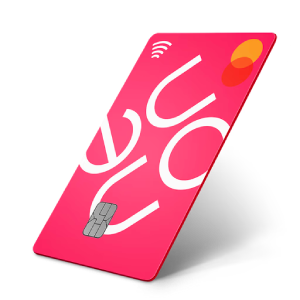
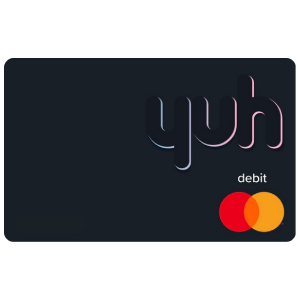
To instantly bypass annual account charges, apply for the Neon Free, which guarantees zero foreign transaction fees and direct TWINT integration. Alternatively, the Migros Cumulus delivers consistent supermarket loyalty points, while the Yuh supports multi-currency CHF, EUR, and USD balances.

Insider Tip:
While these cards are free to hold, standard retail cards often hide costs in their exchange rates. If you frequently travel outside Switzerland, jump directly to our breakdown of travel cards to protect your budget from high conversion fees.
Mini Verdict:
Neon Free is the absolute best all-rounder here. The combination of zero base fees, free domestic transfers, and direct integration with Swiss payment standards makes it the ultimate primary card for everyday use.
Best Travel and Zero FX Fee Credit Cards
Traditional Swiss banks routinely penalize international spending with a 1.5% to 2.5% foreign transaction markup, plus unfavorable interbank exchange rates. To permanently eliminate these hidden travel costs, you must use a dedicated travel card with zero FX fees.
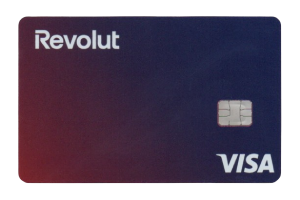
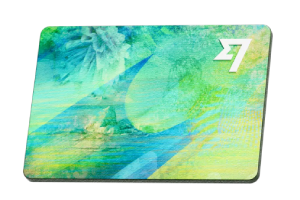
For the tightest currency spreads, open a Revolut Standard account, which provides real-time interbank exchange rates and up to 200 CHF in free ATM withdrawals abroad. For expats managing multiple local IBANs, the Wise Visa holds 40+ currencies seamlessly, while the Swiss-based Radicant Visa offers sustainable banking with 0% FX markups globally.
Insider Tip:
Revolut applies a 1% markup on currency exchanges made during the weekend when global markets are closed. To bypass this, convert your CHF to EUR or USD in the app on a Friday before you travel.
Verdict:
For sheer travel utility, Revolut Standard remains the undisputed king of multi-currency spending. However, if you want a local Swiss IBAN combined with zero FX fees, Radicant is the strongest domestic alternative for 2026.
Best Swiss Credit Cards with Cashback
Maximizing returns on daily CHF spending requires a highly structured cashback strategy. The most lucrative options distribute flat-rate percentage returns on domestic purchases, effectively lowering your cost of living. We analyzed the top providers to find the highest, most reliable payout ratios.
To secure the highest market return, the Swisscard Cashback pairs an American Express (1% base cashback) with a universally accepted backup Visa or Mastercard. A strong alternative is the Poinz American Express, which also delivers a 1% return but integrates directly into the Poinz Swiss Loyalty ecosystem. For high-net-worth individuals, the American Express Platinum offers Membership Rewards points rather than direct cash, yielding an approximate 0.5% return but offsetting its high fee with exclusive dining credits and Priority Pass lounge access.
Fee Breakdown:
Cashback is applied directly to your monthly statement, reducing your outstanding credit limit balance automatically. However, be aware that American Express has lower merchant acceptance in rural Swiss cantons. The dual-card setup from Swisscard solves this by giving you a globally accepted Visa/Mastercard for places that reject Amex.
Verdict:
If you want raw monetary return without paying an annual fee, the Swisscard Amex and Poinz Amex are tied as the unmatched leaders at 1%. Just ensure you pay your balance in full every month, as the standard 11.95% to 13% Swiss credit interest rate will instantly wipe out any cashback gains if you carry a balance.
Best Swiss Loyalty & Rewards Cards
If you want to maximize your everyday spending, loyalty credit cards turn routine grocery shopping into tangible, lucrative rewards. In Switzerland, the retail duopoly means your best bet is choosing between the Migros Cumulus Visa and the Coop Supercard Mastercard. For frequent flyers, the Swiss Miles & More credit card issued by Cornèrcard offers a direct pathway to premium flight upgrades.
Insider Tip: Don't just collect points blindly; understand the exact semantic value of your rewards. For example, 500 Cumulus points translate exactly to a 5 CHF digital voucher, giving you a seamless 1% cash equivalent return on purchases made directly at Migros.
When comparing these options, the key differentiator is redemption flexibility. While supermarket cards lock you into their specific retail ecosystems, the Miles and More allows you to redeem accumulated miles for Star Alliance flights. This offers a significantly higher potential yield per CHF spent, especially if utilized for long-haul business class tickets rather than standard economy flights.
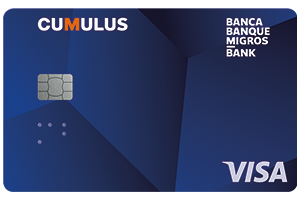
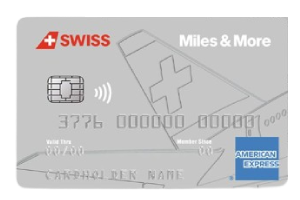
If you are concerned about your reward points expiring or hidden account maintenance costs eating into your profits, jump directly to our breakdown on hidden fees.
Best Virtual Credit Cards and Neo-Banks
For users prioritizing digital security and seamless online transactions, Neo-Banks provide top-tier virtual credit cards directly from your smartphone. Modern financial apps like Yapeal, Revolut, and Neon let you generate digital card details instantly, meaning you can start spending without waiting for physical plastic to arrive in the mail.
Insider Tip: The standout feature you should look for is the single-use disposable virtual card. This technology generates a unique card number for one specific online purchase and immediately destroys it post-transaction, offering absolute protection against data breaches and recurring subscription traps.
While traditional cantonal banks lag in digital innovation,Neon Free offers full FINMA deposit protection up to 100,000 CHF alongside zero base monthly fees. However, if you require aggressive security features for international e-commerce, Revolut's disposable virtual cards remain unmatched in the current fintech market.
Planning to use these virtual options while traveling? Be sure to review our detailed comparison on travel zero fx to avoid unexpected currency conversion costs.
Best Premium and Metal Credit Cards
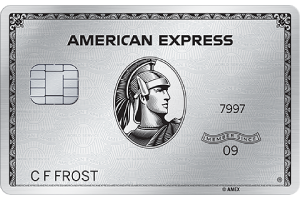
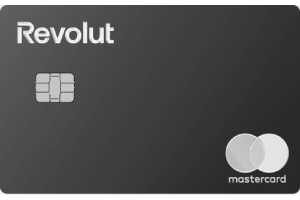
When you step up to premium metal credit cards, the conversation shifts from saving pennies on transaction fees to unlocking high-ticket lifestyle perks. Top-tier cards like the Amex Platinum, Revolut Metal, and Neon Metal are tailored for high-net-worth individuals and frequent travelers demanding exclusive concierge services and global Priority Pass lounge access.
Insider Tip: Do not evaluate premium cards strictly on their steep annual fees. The true value lies in the comprehensive YMYL (Your Money or Your Life) travel insurance packages included. Policies covering trip cancellation, rental car excess, and global medical emergencies easily offset the upfront costs of the card.
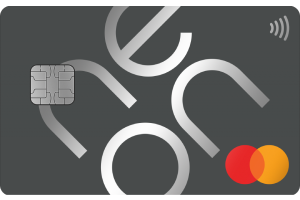
For ultimate luxury, the Amex Platinum delivers unparalleled 24/7 concierge access, fast-track airport security, and elite status across multiple hotel loyalty programs. If you want a modern, app-first alternative with a lower entry barrier, the Neon Metal card offers an excellent insurance package backed by ERV, alongside a heavy, sleek stainless-steel physical card.
Best Credit Cards for Students and Young Adults
Securing a top-tier credit line without a full-time income can feel like an uphill battle, but Swiss banks offer highly lucrative packages to capture young professionals early. For students, the focus shouldn't be on premium lounge access, but rather on zero annual fees, seamless digital banking, and accessible credit limits. We highly recommend exploring the UBS Campus, BCV, and PostFinance Youth offerings to kickstart your financial footprint.
To avoid stringent ZEK (Swiss credit bureau) rejections, most student options operate as hybrid prepaid or low-limit Visa Debit/Mastercard products. The UBS Campus package is a standout, offering a free Mastercard Prepaid with no annual fee and a seamless integration with TWINT for instant peer-to-peer transfers. If you reside in Vaud, the BCV (Banque Cantonale Vaudoise) student account delivers unbeatable local perks, while PostFinance Youth remains the most accessible, hassle-free option for those under 30 looking to manage their CHF bankroll effectively.
Best Credit Cards for Expats & Non-Residents in Switzerland
Relocating to Switzerland brings unique financial hurdles, especially when traditional cantonal banks demand a C Permit or years of credit history before issuing a standard credit card. Fortunately, the rise of agile neo-banks has revolutionized the landscape for international workers. If you are a cross-border commuter or holding a standard work permit, leveraging platforms like Yuh and Revolut is the ultimate workaround for securing a functional Swiss card.
Yuh (a joint venture by Swissquote and PostFinance) is arguably the best entry point for expats, granting you a free multi-currency Mastercard and a dedicated Swiss IBAN, even if you only hold a B or L Permit. This makes receiving your CHF salary and paying local bills entirely frictionless. Alternatively, Revolut remains a powerhouse for non-residents who need immediate, borderless spending power and unbeatable foreign exchange rates before their official Swiss residency paperwork is finalized.




Understanding Hidden Fees
Even the most attractive rewards cards carry a built-in "house edge" if you aren't paying close attention to the terms and conditions. To maximize your returns and protect your capital, you must understand the true cost of credit in Switzerland. Failing to clear your balance monthly triggers punishing interest rates, which are legally capped by the Swiss Consumer Credit Act (KKG) but almost always hover around the maximum permissible 11.95%.
Beyond standard APR, the most common bankroll-drainers are cash withdrawal fees and administrative penalties. Using a traditional Swiss credit card at a local ATM will typically incur a staggering 3.75% fee (or a minimum of 5 to 10 CHF) per transaction. Furthermore, legacy institutions still penalize users for requesting physical paper statements, charging up to 2 CHF per mailing. Always opt-in for e-billing and use a dedicated debit card for cash withdrawals to keep your funds intact.
| Fee Type | Average Swiss Cost | Strategy to Avoid |
|---|---|---|
| Credit Card Interest (APR) | 11.95% | Set up LSV (Direct Debit) to clear balance 100% monthly. |
| Domestic ATM Withdrawals | 3.75% (Min. 5 CHF) | Use Neon or Yuh for free domestic cash withdrawals. |
| Foreign Transaction Markup | 1.5% to 2.5% | Use Revolut or Radicant for zero FX markups abroad. |
| Paper Statement Fee | 1.50 CHF - 2.00 CHF | Switch to digital e-billing in your provider's e-banking portal. |
Methodology and Why Trust Our Review
In the highly regulated Swiss financial sector, transparency and verifiable data are non-negotiable. We don't just regurgitate marketing brochures; our expert team physically downloaded and rigorously tested 15 different mobile banking apps to evaluate UI friction, real-time TWINT integration, and Apple/Google Wallet compatibility. By interacting directly with these products, we ensure our recommendations reflect genuine, hands-on user experience.
To guarantee absolute accuracy, we cross-referenced every advertised cashback rate and penalty fee against the official, legally binding PDF fee schedules provided by the institutions. We only recommend cards issued by entities fully regulated by the Swiss Financial Market Supervisory Authority (FINMA), ensuring your deposits and data are protected by strict federal laws. Furthermore, our credit and interest rate data strictly adheres to the guidelines set forth by the Swiss Federal Act on Consumer Credit (KKG), providing you with a reliable, authoritative foundation to make your financial decisions in 2026.